What if Roald Dahl had anticipated generative AI as early as 1953?
In The Great Automatic Grammatizator, a young engineer designs a machine capable of writing short stories on an assembly line.

Antoine HeftlerCo-founder
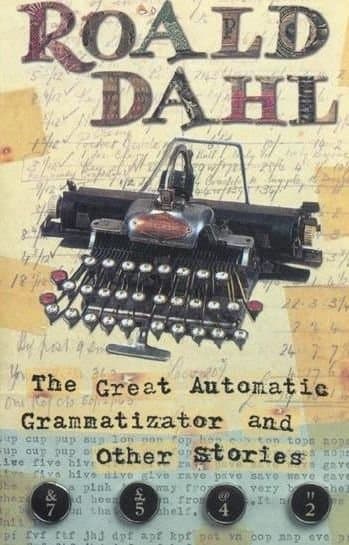
In The Great Automatic Grammatizator, a young engineer designs a machine capable of writing short stories on an assembly line. Quickly, it becomes faster, more profitable — and almost as "creative" as humans.
Publishers love it.
Writers resist… then sign.
They sell their name, their style, their voice.
In the end, only one refuses. He does not give in.
He stays standing, facing the machine. Isolated, but free.
Today, generative AI can write articles, scripts, poems. It can imitate. Mix. Synthesize. But it experiences nothing. It does not doubt. Does not hope. Does not create in order to connect.
Roald Dahl is not signing a dystopia: he is signing a warning, extraordinarily prescient.
And an essential reminder: what matters in a story is not only its structure — it is its gaze.
AI is changing the way we produce.
But storytelling — the real kind, the kind that moves people and that lasts — remains, and will remain, human.