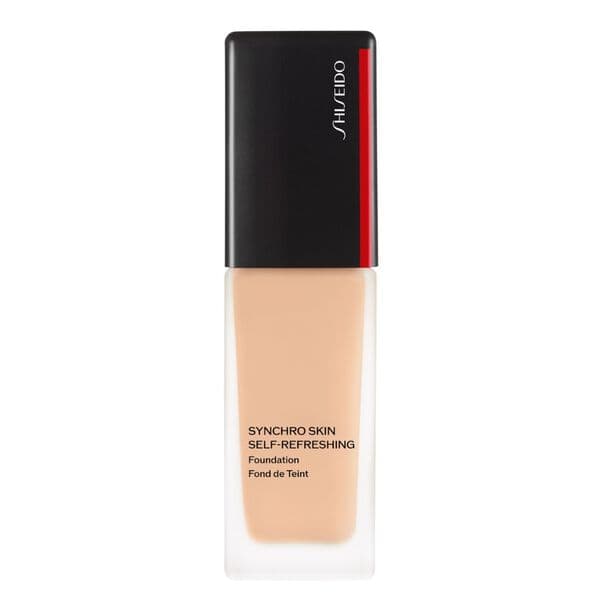
Blocked, diagnosis confirmed
Skin Self-Refreshing SPF30
Cosmetics — furthest from the core
Brand fit from 45 to 65, intent from 63 to 76. The composite has stayed stuck at 55 since June: the brand caps the score, not the content.
Case study · premium resale

The catalogue is moving beyond streetwear. How generative engines perceived the brand had stayed on the historical core. Here is what we measured, then corrected.
brand fit points
on cosmetics, the category furthest from sneakers
Brand fit: one axis of the composite score measured by ResonanceMetrics.
Skin Self-Refreshing SPF30
brand fit 45 → 65
The product page used as the reference case for the catalogue’s move into cosmetics.
Company
Premium resale platform, founded in 2018, based in Paris
Presence
6 countries
Catalogue
Sneakers, streetwear, fragrance, collectibles — all authenticated
Relationship
Design partner since April 2026, customer since October 2026
« On cosmetics, we were starting from far behind: AI associated us with sneakers and streetwear, not with beauty. In a few months, our brand fit in this category rose by 20 points, from 45 to 65 on our reference products. Engines are starting to recognise us as a credible player beyond our historical core, and that is exactly what we needed to support the catalogue expansion. »
« We are already working to shift how Wethenew is perceived across social and CRM, giving new categories a consistent place in our edit and our messaging. The audit showed that AI engines, for their part, were still very attached to our historical sneakers and streetwear identity. This partnership adds a complementary measure to our brand work: understanding what engines retain of our positioning, and strengthening the signals that let them recognise the relevance of our broader offer. »
the context
Wethenew had already unified how the catalogue is presented as it expanded beyond streetwear. The semantic question remained: does AI recognise and recommend the brand consistently across those same new categories? The April 2026 audit answered no.
0%
visibility on exploration prompts
Share-of-voice leader on “Wethenew vs GOAT”, absent from open questions about streetwear, trends, and new brands.
28 / 100
semantic alignment
“Limited edition”, “Fast delivery”, “Luxury”: attributes the brand claims, entirely absent from AI answers.
42%
of answers mentioned authenticity
The core differentiator of resale appeared in fewer than one answer out of two.
Diagnose at brand level with GEO, then check and correct at product-page level with APO. Each SKU receives a composite score — the minimum of three axes (brand fit, intent match, technical foundation) — recalculated weekly, with real traffic crossed against Google Analytics 4 to check that the score shows up as a result, not only as a dashboard number.
Native Shopify integration with an automatically synced catalogue, configured by filters (include or exclude collections and tags) so the analysis targets priority SKUs instead of drowning in the whole catalogue.
This work was built inside a “design partner” engagement that started in April 2026 — Wethenew was one of the very first catalogues on which APO was tested and refined before its commercial launch.
the results
Three products, three distances from the historical core, three stages of progress. We start with the category furthest behind: that is where the diagnosis is most useful.
Cosmetics — furthest from the core
Brand fit from 45 to 65, intent from 63 to 76. The composite has stayed stuck at 55 since June: the brand caps the score, not the content.
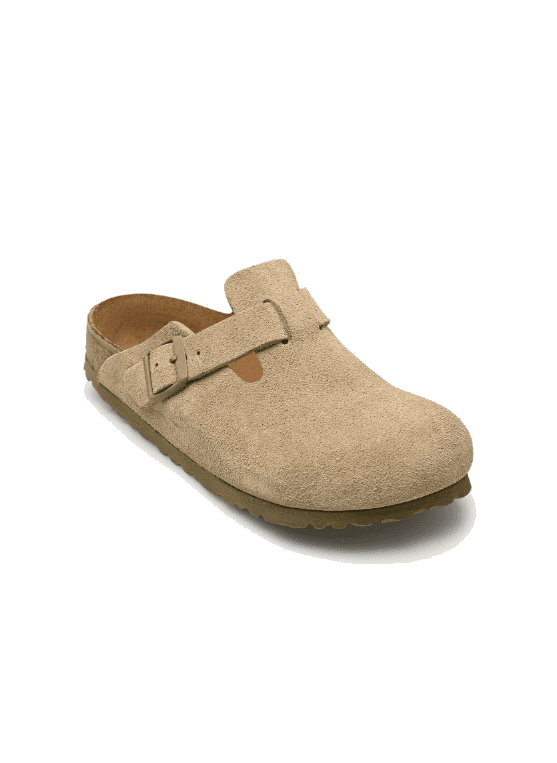
Beyond sneakers — adjacent category
Intent match from 62 to 77. AI traffic share moves from 0% to 4.9% after the content work.
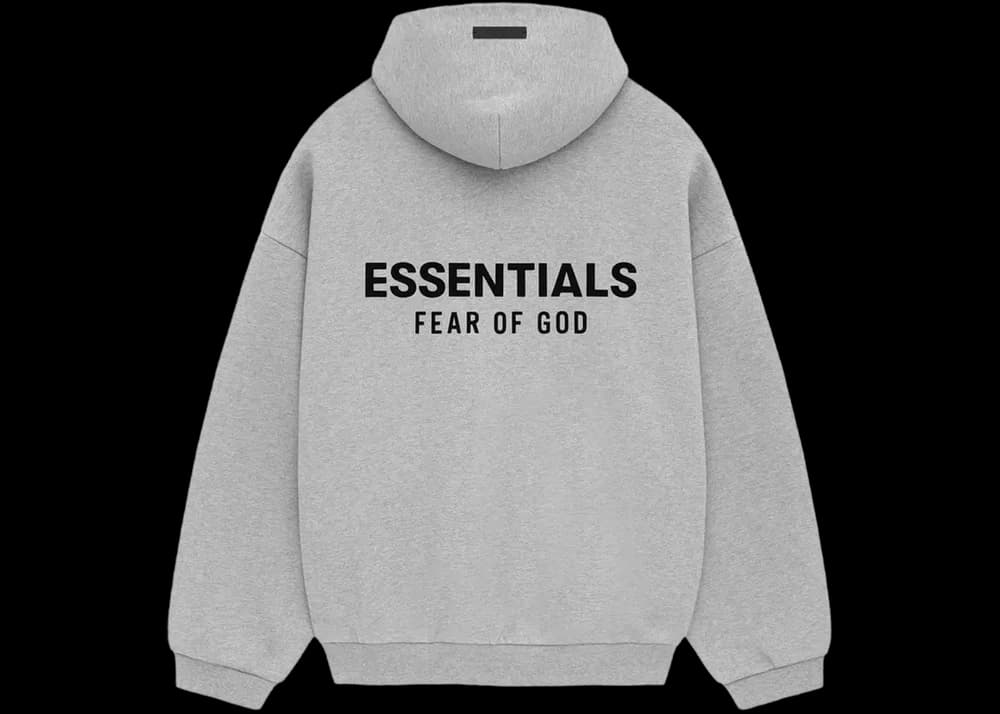
Streetwear — historical core
Composite score at the ceiling. AI traffic multiplied by eight, from 13 to 108 views: the largest volume in the catalogue.
The cosmetics case is not isolated: on the latest run, several leather-goods products (another new category) also gained ten brand fit points.
the proof
and for you
Reply within 48 business hours.