Monetizing Intent
Digital marketing has known very few methodological breaks since it was born; banners, pop-ups, search, social ads: the principle has always been to interrupt the user, more or less subtly.

Antoine HeftlerCo-founder
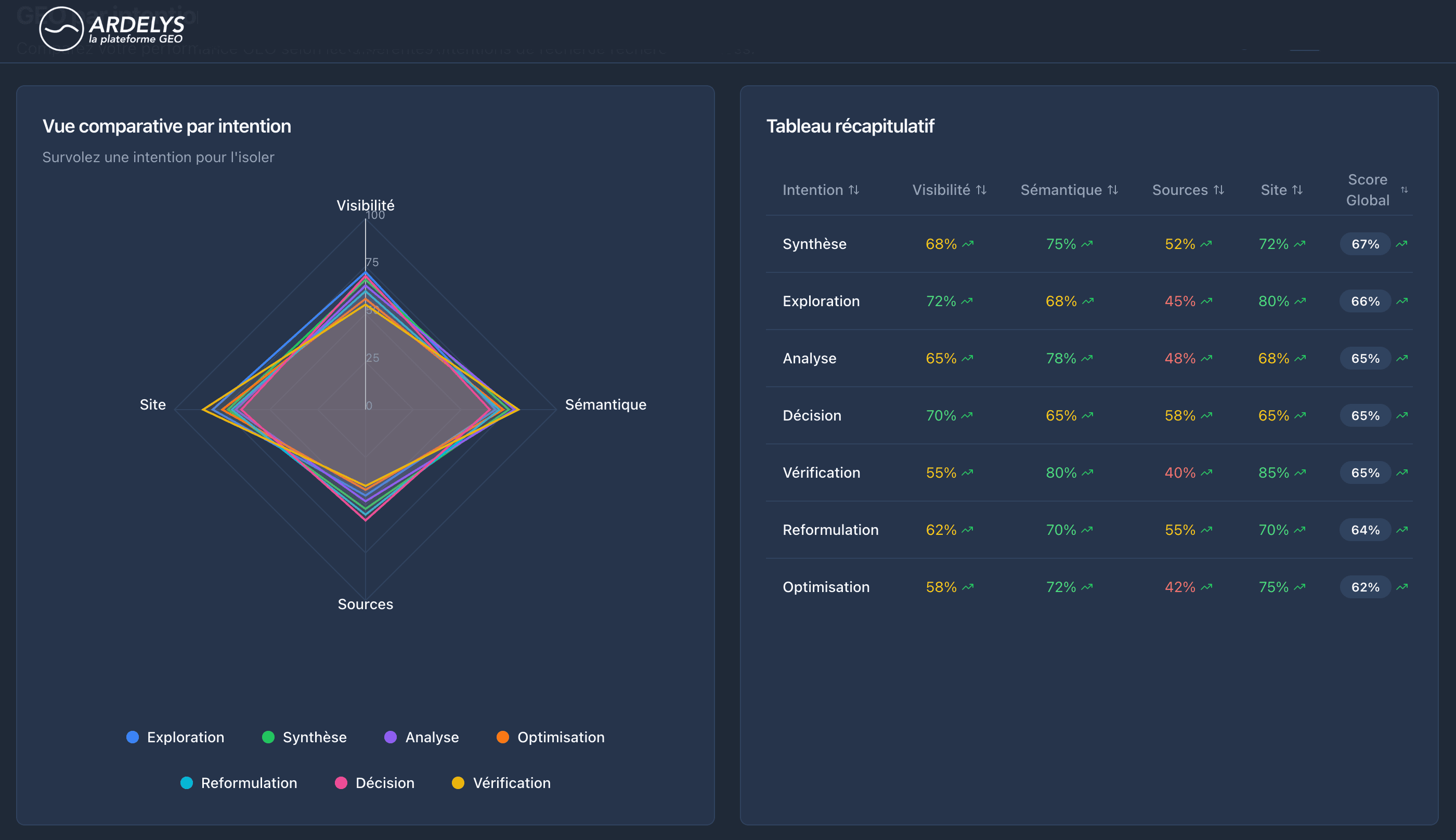
Digital marketing has known very few methodological breaks since it was born; banners, pop-ups, search, social ads: the principle has always been to interrupt the user, more or less subtly. With AI, intent becomes — we have already talked about this at length — the keystone that lets the algorithm choose its sources and offer a hyper-personalized answer, whether organic or paid (advertising).
OpenAI's recent announcements about introducing paid formats into ChatGPT therefore open the way to conversational advertising, whose performance will no longer depend only on the bid or the targeting, but on a brand's ability to be perceived as the best answer to a given intent.
Speaking through Sam Altman, OpenAI maintains that the user experience remains its priority. "We will not accept money to influence ChatGPT's answers."
That requires brands (e-commerce merchants in particular) to:
- Bring this variable into product descriptions, notably through intent-based FAQs.
- Tag products and services by intent: for the first sale, by aligning the offer with the real need, and for cross-sell, by identifying adjacent intents
On the GEO side, analysis can no longer stop at presence in AI answers. It has to include an intent map, so that for each intent you can steer the actions to take across the three pillars of GEO: message, sources, site.
This is precisely the approach we apply at ResonanceMetrics, through analyses, dashboards, and action plans segmented by intent.
Shall we talk?